Children don’t instinctively know how to take care of their health; they rely on their parents to guide them. A strong foundation of physical and mental well-being in early childhood can shape a lifetime of good health. When parents focus on these key aspects from an early age, they empower their children to grow into resilient, healthy adults. But where should you begin?
This article outlines nine critical aspects of your child’s health to prioritize, ensuring they thrive both now and in the future.
1. Nurturing Mental Wellness
We often think that young kids don’t need mental health support or they aren’t stressed. However, your children can have problems, too. They just need a safe space to open up, and you must provide that space. Encourage your child to express their emotions without fear of judgment. Simple practices like mindfulness and breathing exercises can also reduce stress and anxiety. Engage in activities that bring joy and foster a positive mindset, such as drawing, storytelling, or outdoor play. By nurturing mental wellness, you help your child develop resilience, confidence, and the ability to cope with life’s challenges.
Remember, a child who feels emotionally supported is more likely to grow into a well-adjusted adult.
2. Strong Bones, Strong Future
Building strong bones during childhood is crucial for lifelong health. Bones grow rapidly in early years, and without proper support, your child might face issues like weak bones or fractures later in life. Calcium and vitamin D are the building blocks of bone health. While milk and leafy greens are excellent sources of calcium, vitamin D can be harder to come by.
Children often don’t get enough sunlight for their bodies to produce the vitamin D they need, especially in colder months or in regions with limited sun exposure. Supplements such as children’s Vitamin D gummies are a fun and effective solution. Providers like Kizer Pharmacy offer gummies that not only taste great but are also tailored to children’s nutritional needs. Making bone health a priority now ensures that your child grows up with the strength and resilience to thrive.
3. Prioritizing Quality Sleep
Sleep is a cornerstone of health. It affects everything from mood to concentration to physical growth. Children need more sleep than adults to support their developing bodies and brains, yet many fall short due to inconsistent routines or excessive screen time.
Therefore, it is important to make sure your children stick to a routine and go to bed on time. But how can you encourage them to get ready for bed? Help them relax through practices like a warm bath, reading a story, or listening to calming music before bed. Keep electronics out of the bedroom and set a firm “lights out” time to ensure enough rest. Well-rested children are not only happier but also perform better in school and have stronger immune systems.
4. A Balanced Diet for Growing Bodies
Good nutrition fuels a child’s growth and energy. A balanced diet includes a variety of fruits, vegetables, whole grains, and lean proteins. It’s tempting to rely on processed foods or snacks, but these often lack essential nutrients and can lead to long-term health problems, so parents, you need to put some effort into meal preparation.
Make mealtime fun and engaging. Involve your child in meal prep, letting them pick fruits or vegetables at the store. Try creative ways to present healthy foods, like cutting fruits into fun shapes or creating colorful plates. By instilling healthy eating habits early, you set the stage for a lifetime of good choices.
5. Encouraging Physical Activity
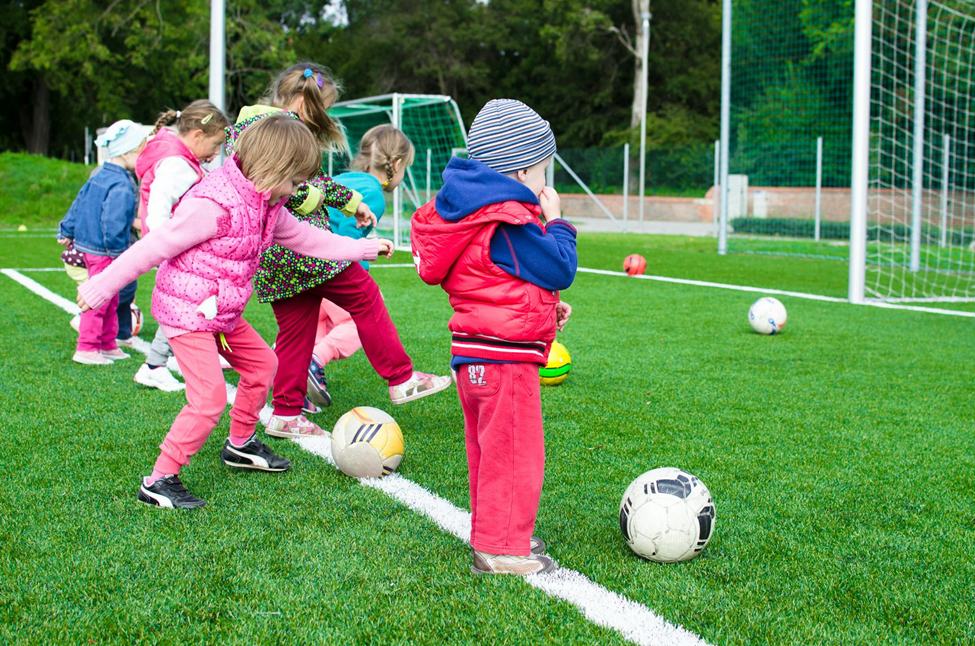
Physical activity is more than just exercise—it’s a way to build strength, coordination, and confidence. Kids naturally have a lot of energy to burn, so help them channel it into fun activities that promote movement. Whether it’s playing soccer, dancing, or riding bikes, the goal is to make activity enjoyable.
Limit sedentary time, especially in front of screens, and encourage outdoor play whenever possible. Not only does physical activity boost physical health, but it also improves mood and social skills. Active kids are happier, healthier, and more engaged in life.
6. Fostering Good Hygiene Habits
Good hygiene is one of the simplest yet most effective ways to protect your child’s health. Teaching them proper hygiene from an early age prevents illnesses like colds, flu, and infections.
Start with the basics: handwashing, brushing teeth, and regular bathing. Make handwashing fun by teaching them songs to sing while scrubbing or using soaps in fun shapes or colors. For dental health, introduce toothbrushes with their favorite cartoon characters and kid-friendly toothpaste flavors. Explain the importance of hygiene in simple terms, like how washing hands “chases away germs.”
7. Supporting Healthy Vision
Healthy vision is essential for learning and overall development. With the increasing use of screens for education and entertainment, protecting your child’s eyes has never been more critical.
Schedule regular eye exams to catch any potential issues early. Encourage outdoor play, as studies show that time spent outdoors can reduce the risk of myopia (nearsightedness). Limit screen time and teach them the “20-20-20 rule”: every 20 minutes, look at something 20 feet away for at least 20 seconds to reduce eye strain.
Incorporate eye-friendly foods into their diet, such as carrots, leafy greens, and fish rich in omega-3s. By taking these steps, you can ensure your child’s vision supports their growth and learning.
8. Immunizations and Preventative Care
Immunizations are a cornerstone of preventative health care. Vaccinations protect your child from serious illnesses like measles, mumps, and polio, which can have long-term effects. Staying on top of the recommended immunization schedule is one of the most important ways to keep your child safe.
Beyond vaccines, regular checkups with your pediatrician are essential. These visits aren’t just about addressing illnesses—they provide an opportunity to monitor your child’s growth, screen for potential issues, and discuss concerns. Early detection can prevent minor problems from becoming major health challenges.
9. Developing Social Skills
Health isn’t just physical; it’s also social. Children who develop strong social skills are better equipped to build relationships, navigate challenges, and foster emotional well-being.
Encourage your child to interact with peers through playdates, group activities, or team sports. Teach them the basics of sharing, taking turns, and listening to others. Social interactions also build empathy and resilience, qualities that will serve them throughout life.
Focusing on your child’s health from a young age isn’t just about preventing problems—it’s about making sure they thrive in life. Your role as a parent is to guide, encourage, and model these habits, ensuring your child has the tools they need for a happy and healthy life. The earlier you start, the easier it becomes to instill these practices. Remember, your efforts today are shaping not just your child’s present but their future as well. Start now, stay consistent, and watch them flourish in every area of life.