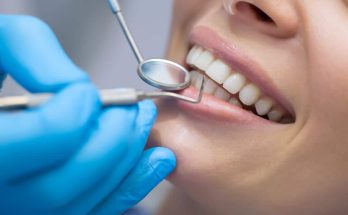
You invest time, money, and energy into straightening your teeth. You want those results to stay strong. Orthodontists plan for that from the first visit. They do not just move teeth. They work to protect your smile for many years. They watch how you bite, how you clean your teeth, and how your gums respond. Then they design a simple plan you can follow at home. Retainers, checkups, and small daily habits keep teeth from shifting back. Care also matters when life hits hard. Sudden pain or injury can undo months of progress. That is when fast help such as Van Nuys emergency dental treatment becomes important. You learn what to do right away and what to avoid. You also learn how to keep your teeth safe long after braces or aligners come off. You deserve a smile that stays steady, not one that fades.
How Teeth Move And Why They Drift Back
Teeth sit in bone and gum. They hold in place with tiny fibers. Braces and aligners use light pressure to guide teeth into better spots. Once treatment ends, those fibers try to pull teeth back. Growth, grinding, and missing teeth also nudge teeth out of line. You feel this as crowding, small gaps, or a bite that feels “off” again. Orthodontists expect this. They plan steps to quiet that pull and give new positions time to settle.
The Quiet Work Of Retainers
Retainers protect your investment. They keep teeth in their new positions while bone and fibers reset. You often need them for life. The type and schedule can change with time. Yet the goal stays the same. Hold the smile you earned.
| Retainer Type | What It Is | Common Use Time Each Day | Main Strength |
|---|---|---|---|
| Removable plastic retainer | Clear tray that fits over teeth | Full time at first. Then nights | Easy to clean. Simple to replace |
| Removable wire retainer | Plastic base with thin front wire | Full time at first. Then nights | Strong. Can adjust in small steps |
| Bonded retainer | Thin wire glued behind front teeth | All day and night | Always on. No need to remember |
Orthodontists match retainer type to your teeth, age, and habits. They also set a schedule you can keep. You get clear rules. Wear time. Cleaning. Storage. Replacement. Simple rules lower stress and protect your results.
Daily Habits That Protect Your Smile
Teeth need steady care. Clean teeth and calm gums help results last. The Centers for Disease Control and Prevention shares clear steps for brushing and flossing at home.
Orthodontists often stress three home habits.
- Brush twice a day with fluoride toothpaste
- Floss once a day, even around bonded retainers
- Use a mouthguard for sports and rough play
Food choices also matter. Hard candy, ice, and sticky snacks can bend wires and crack plastic. That damage lets teeth drift. You can still enjoy treats. You just limit how often and rinse or brush after you eat.
Checkups After Braces Or Aligners
Care does not end when the last bracket comes off. Follow-up visits catch small changes before they grow. You can expect three kinds of checks.
- Short-term checks in the first year
- Yearly retainer reviews
- Regular cleanings with your general dentist
Short-term checks watch for early shifting. The orthodontist may tweak your retainer or adjust a bonded wire. Yearly reviews look at wear and tear. Cracks. Loose spots. Lost fit. Regular cleanings remove plaque around retainers and lower the risk of decay and gum disease. The National Institutes of Health explains how gum disease harms teeth and bone. Gum loss can undo cosmetic gains. Early care stops that slide.
How Orthodontists Plan For The Long Term
Strong long-term results start before braces go on. At the first visit, the orthodontist gathers photos, X-rays, and bite records. They look at:
- Jaw growth pattern
- Tooth size and shape
- Existing fillings and crowns
- Gum health and bone levels
- Breathing and tongue posture
These details guide choices. Some teeth may need shaping or building up. Some may need removal. Jaws that grow fast need careful timing. Your plan often includes three stages. Active movement. Holding phase. Long-term maintenance. Each stage has clear steps, goals, and time frames.
Handling Emergencies Without Losing Progress
Life does not pause for a straight smile. Sports hits, falls, or grinding in sleep can chip teeth or break retainers. When that happens, quick action protects your result. If a tooth cracks, moves, or gets knocked out, try to see a dentist within one hour. Store a lost tooth in milk or in your cheek. Do not scrub it. Bring broken pieces and retainers to the visit.
Call your orthodontist after any injury to teeth, jaw, or face. They will check for hidden movement and adjust your plan. Fast care lowers pain and helps keep your teeth in their new places.
Helping Children And Teens Keep Results
Children and teens often need extra support. Growth, sports, and busy routines make retainers easy to forget. You can help by:
- Setting a phone alarm for nightly retainer use
- Keeping a labeled retainer case in one safe spot
- Checking fit each week and watching for speech changes
If a retainer feels tight or leaves new marks, call the orthodontist. Quick checks prevent a return to crowding. Praise steady use. Do not shame misses. Calm, firm support keeps kids honest and protects their smile.
Simple Rules To Keep Results For Life
Orthodontists give you tools. You control the follow-through. You can protect your cosmetic result with three steady rules.
- Wear your retainer as directed
- Clean your teeth and retainers every day
- See your dentist and orthodontist for regular checks
These steps take minutes. The payoff lasts. Strong teeth. Confident bite. A smile that stays steady when life does not.