Key Takeaways
- Geo-fencing enables precise, location-based marketing by targeting consumers within specific geographic areas.
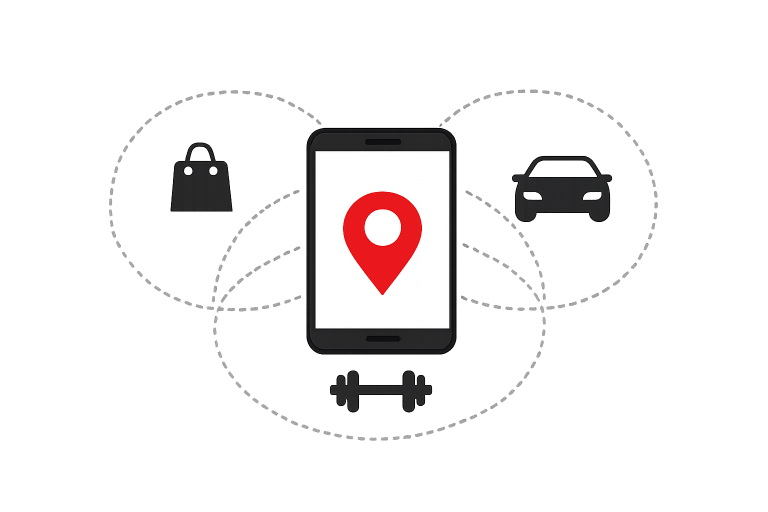
- Industries such as retail, fitness, and automotive have successfully leveraged geo-fencing to increase foot traffic and sales.
- Effective geo-fencing campaigns require clear objectives, accurate data, and compliance with privacy regulations.
Understanding Geo-Fencing in Modern Marketing
Geo-fencing is a technology-based strategy that establishes virtual perimeters around real-world geographic locations. When a consumer’s mobile device enters or exits these virtual boundaries, businesses can trigger tailored advertisements, notifications, or offers directly to that person. This form of marketing empowers brands to target audiences with unprecedented precision and relevance, often resulting in increased engagement and conversion rates. By using geofencing, companies can deliver relevant content to consumers based on where they are at any given moment. https://simpli.fi/our-solutions/media-buying-solutions/programmatic-media/geo-fencing
The implementation of geo-fencing technology marks a significant evolution in the world of digital marketing. Whether it is alerting passersby to limited-time shop discounts, targeting drivers who visit a competitor’s dealership, or inviting gym-goers with a custom message as they pass by a fitness center, the potential for creating highly personalized, timely communications is immense.
The core strength of geo-fencing marketing lies in its ability to deliver actionable content at the precise moment when it is most relevant to the user. This kind of contextual marketing not only increases the likelihood of conversion but also helps build brand trust and loyalty when done responsibly.
Due to its adaptability and scalability, geo-fencing is being adopted by businesses of all sizes – from local retailers and fitness studios to national automotive chains. The effectiveness of this technology, however, depends on accurate data collection, strategic planning, and, most importantly, the value of the offer delivered to the consumer.
Real-World Applications of Geo-Fencing
Retail Industry
Geo-fencing has revolutionized the retail sector by helping brick-and-mortar stores compete in a digital-first world. Retailers can set up virtual boundaries around their stores, shopping centers, or even around competitors’ locations. For example, many retailers have integrated geo-fencing into their apps, allowing them to send personalized notifications to potential customers who enter a fenced area. By targeting these “in the moment” shoppers, retailers can boost foot traffic, highlight flash sales, or incentivize purchases that may not have occurred otherwise.
Fitness Centers
Fitness gyms and health clubs have embraced geofencing to engage local clients and attract new members. By defining perimeters around their own facilities, nearby workplaces, or even rival gyms, fitness centers can target promotions to attract new clients. Targeted ads featuring special classes, no-commitment trials, or exclusive membership deals are particularly effective when sent to people who are already showing interest in health and wellness through their location data. Such strategic outreach has translated into lower acquisition costs and more sustainable member growth, as discussed in industry analyses.
Automotive Dealerships
Auto dealerships are increasingly using geo-fencing to gain a competitive advantage in highly localized markets. Dealerships can create virtual boundaries around their showrooms, nearby competitors, popular shopping locations, or events that draw potential car buyers. When prospective customers enter these zones, dealerships can engage them with tailored messages or limited-time offers, encouraging immediate visits to their lots. The use of personalized messaging increases the likelihood that interested customers will choose their dealership over others in the area, thereby maximizing showroom visits and potential sales.
Best Practices for Implementing Geo-Fencing
- Define Clear Objectives: It is critical to set specific, measurable goals before launching a geo-fencing campaign. Whether the aim is to boost foot traffic, enhance sales, or grow brand recognition, clear objectives form the basis for campaign structure and success benchmarks.
- Accurate Geo-Fence Boundaries: Marking precise geographic areas ensures that marketing messages reach only the intended audience. Overlapping or overly broad geo-fences can dilute your campaign’s impact.
- Personalized Messaging: Craft messages that are relevant to the local audience and reflect their interests, cultural factors, and purchasing behaviors. Personalization increases resonance and effectiveness.
- Timing and Frequency: Send notifications at times when customers are most likely to act, and avoid sending too many messages to prevent fatigue. A well-timed campaign can feel helpful rather than intrusive.
- Compliance with Privacy Regulations: Ensure transparency about location data collection and usage. Always obtain consent, comply with regulations such as GDPR or CCPA, and provide simple opt-out options.
Challenges and Considerations
Although geo-fencing is a powerful tool, it comes with several challenges. High-precision targeting is only possible if the location data is accurate. Outdated or imprecise data can result in missed opportunities or wasted ad spend. In addition, privacy concerns are growing among consumers, many of whom demand transparency over how their location information is collected and used. Businesses must clearly communicate their data practices and empower users with privacy controls. Geographic and demographic differences, such as dense urban environments versus rural areas, can also influence the performance and cost-effectiveness of geo-fencing campaigns.
Future Trends in Geo-Fencing
With advancements in artificial intelligence and machine learning, future geo-fencing solutions are poised to enable even more precise and dynamic targeting by analyzing vast patterns in location data and consumer behavior in real time. The rise of the Internet of Things and wearable technology means marketers will soon have an even broader range of touchpoints to reach consumers with timely, contextual offers. Businesses that stay ahead of these trends and integrate geo-fencing into omnichannel marketing strategies are best positioned to capitalize on evolving technology and customer expectations.
Conclusion
Geo-fencing redefines what is possible in location-based marketing by enabling businesses to connect with consumers at the right place and time. With thoughtful planning, strict adherence to privacy standards, and a willingness to adapt to new technology, companies can harness the full power of geo-fencing. When implemented effectively, geo-fencing campaigns strengthen customer relationships, increase conversions, and drive sustainable business growth.
read more : The Importance Of Accurate Forecasting In Business Success