You can whiten teeth, straighten them, and repair chips, then still feel like something looks off. That feeling is common. Most people notice color and shape first, but the surface of the tooth often decides whether a smile looks natural, flat, youthful, or too polished. Texture changes how light hits your teeth, and light is what makes cosmetic work blend in or stand out, especially when seeking personalized dental care in Los Angeles.
That is why how tooth texture affects the final look of cosmetic dentistry matters more than many people expect. Tiny ridges, shallow grooves, soft edges, and the way enamel reflects light all shape the final result. If the surface is too smooth, teeth can look artificial. If it is too rough or worn down, they can look older, duller, or uneven. Good cosmetic dental work is not only about making teeth white and straight. It is about making them look like they belong to your face.
Tooth surface texture shapes how cosmetic dental work is seen
Natural enamel is not perfectly slick. Healthy teeth have subtle texture that catches and scatters light. Younger teeth often show more surface character, while older teeth tend to look smoother because years of chewing, brushing, and grinding wear those details away. This is one reason two smiles with the same shade can look completely different.
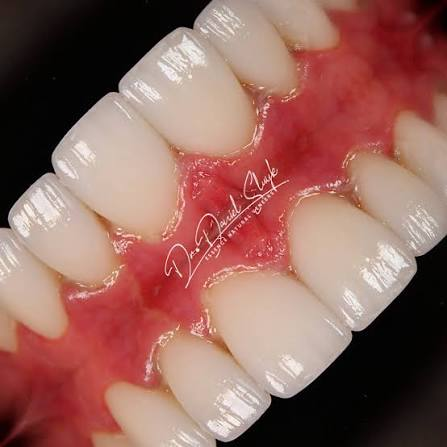
In smile design and tooth texture, the dentist has to think beyond shade guides. Veneers, bonding, and crowns can all be shaped correctly and still miss the mark if the finish is wrong. A very glossy, glass-like surface may look bright in photos, yet in person it can read as too uniform. A surface with carefully placed texture usually looks softer and more believable.
This becomes even more noticeable when only one or two teeth are being restored. If a single front tooth is repaired after a chip or crack, the texture has to match neighboring teeth or the eye goes straight to the difference. You may not know why it catches your attention, only that it does.
Wear, grinding, and enamel changes can alter the final cosmetic result
Texture is not just a design choice. It also reflects tooth health. Worn enamel, hairline cracks, and flattened edges can change the way cosmetic treatment performs and looks over time. Teeth that have been affected by clenching or grinding often lose their natural surface detail and edge anatomy. The National Institute of Dental and Craniofacial Research explains how bruxism can wear down teeth, which matters because worn teeth often need both cosmetic and protective planning.
If you have ever looked in the mirror and felt your teeth seem shorter, shinier in a harsh way, or less defined, wear may be part of it. Small cracks can also affect how light moves through enamel. Research from NIDCR on what keeps teeth strong points to the complex structure of enamel and dentin, which helps explain why surface details are not just cosmetic decoration. They are part of a tooth’s function and strength.
People often want the smoothest finish possible because smooth sounds clean and polished. That makes sense. The problem is that over-polishing can remove the natural character that keeps cosmetic work from looking obvious. A skilled general and cosmetic dentist balances smoothness for comfort and hygiene with enough texture for a lifelike finish.
Cosmetic dentistry looks best when texture, color, and shape work together
Shade gets most of the attention, but texture controls brightness more than people realize. A smoother tooth reflects light more directly, so it may look brighter even if the color is the same. A more textured tooth diffuses light and can appear softer and more natural. That is why two veneers in the same shade can produce very different results.
Shape matters too. Rounded edges, slight translucency at the tips, and faint vertical texture can make front teeth look natural and age-appropriate. Flat, opaque, very smooth restorations can make a smile look heavy. This is one reason cosmetic dentistry is part art and part clinical planning.
If you are dealing with discoloration, chips, enamel wear, or other tooth disorders, texture should be part of the discussion from the start. It affects whitening results, bonding repairs, veneers, crowns, and even how your teeth appear after orthodontic treatment.
Common cosmetic options and the role of tooth texture
| Treatment | How Texture Affects the Look | What to Watch For |
| Teeth whitening | Whiter teeth can reveal uneven enamel texture more clearly | Rough spots, white patches, and worn edges may stand out after whitening |
| Dental bonding | Bonding must be shaped and finished to match nearby enamel | Too smooth or too matte, and the repair can become obvious |
| Veneers | Surface character helps veneers reflect light like natural teeth | Very flat, glossy veneers can look artificial in daylight |
| Crowns | Texture helps crowns blend with natural teeth, especially in front | Mismatch in sheen or surface pattern can draw attention |
| Enamel contouring | Small reshaping changes how light moves across the tooth | Too much smoothing can remove natural detail |
Practical steps for better cosmetic dental results
Ask to discuss surface finish, not just shade. If you are considering veneers, bonding, or crowns, ask how the final texture will be matched to your natural teeth. Photos, mock-ups, and close-up smile images can help you see the difference between a very polished look and a more natural enamel-like finish.
Address grinding and wear before cosmetic treatment. If you clench at night or wake up with jaw tension, deal with that first. Cosmetic work placed on actively grinding teeth can chip, flatten, or lose the texture that made it look good in the first place.
Bring in real examples of what looks natural to you. Many people say they want a white, even smile, but what they really mean is balanced, healthy, and believable. Showing photos of smiles you like can help your dentist understand whether you prefer youthful texture, softer edges, or a smoother look.
read more : 4 Advantages Of Using Professional Bookkeeping Services
The best cosmetic dentistry respects the details
The smallest details often make the biggest difference. Natural-looking cosmetic dentistry depends on more than color and straightness. Tooth texture affects brightness, age, realism, and the way your smile fits your face. When that detail is handled well, people notice your smile, not the dental work.
If you are thinking about cosmetic treatment, ask for a plan that includes texture, wear, and long-term function along with shade and shape. A thoughtful approach from a general and cosmetic dentist can give you a result that looks good in photos and still feels right in everyday life.