You notice it in a photo first, or when you floss, or when your bite suddenly feels off. A tooth that used to sit straight now overlaps a little. Your front teeth touch differently. Food gets stuck in a place that never gave you trouble before. That kind of change can be unsettling because it often feels small and easy to dismiss, right up until it does not. If you are concerned, an Old Town Alexandria dentist can help evaluate the change.
How General Dentists Evaluate Changes In Tooth Alignment usually starts with a simple truth. Teeth rarely shift for no reason. A general dentist looks at where your teeth are moving, how your bite is changing, and whether the cause is wear, gum problems, tooth loss, grinding, or crowding that has become more noticeable over time. The goal is not just to see that your smile looks different. It is to find out why it changed and whether the shift could lead to pain, damage, or harder cleaning.
Tooth movement often points to a deeper issue
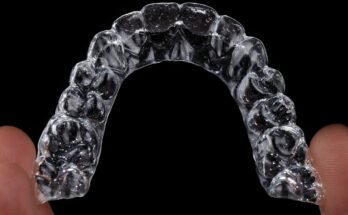
When adults see crooked teeth or spacing changes, many assume they just need braces or clear aligners. Sometimes that is true. Sometimes the alignment change is the symptom, not the whole problem. A general dentist checks for bone loss, inflamed gums, worn enamel, old dental work that changed your bite, and missing teeth that let nearby teeth drift. Gum disease is one of the most common reasons teeth loosen or move, and it can develop quietly.
If your teeth seem to be shifting and your gums bleed when you brush, that combination matters. If you clench at night and wake up with jaw tension, that matters too. If a crown feels high or a back tooth was removed years ago, the bite may have slowly changed around that space. A dentist looks at the full chain of events because a straightening plan will not hold well if the underlying cause stays untreated.
This is where readers often feel stuck. You want a clear answer, but there may be more than one factor. Age related wear can change how teeth meet. Bone support can weaken. Habits like nail biting or tongue thrust can add pressure. Even a single chipped tooth can alter contact points and make the bite shift in ways you feel before you can see them.
General dentists use exams, bite analysis, and images to assess shifting teeth
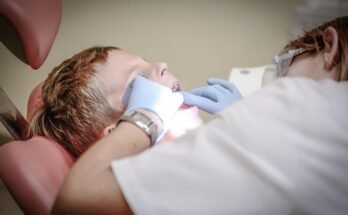
A routine exam gives a general dentist more information than many people expect. They look for visible crowding, new gaps, rotated teeth, flattened chewing surfaces, gum recession, and areas that trap plaque. They also ask when you first noticed the change and whether there is pain, pressure, clicking, or headaches.
Then they check the bite. You may be asked to close normally, slide your jaw, or bite on marking paper so they can see where force lands. Heavy bite spots can explain why one tooth feels sore or why certain teeth are wearing down faster. If your front teeth are taking too much pressure, they can begin to shift or chip.
Dental X rays help show what the eye cannot. They can reveal bone loss, hidden decay, root changes, and the position of teeth below the gumline. In some cases, a dentist may compare current records with older images or past exams to see whether the movement is recent or gradual. If jaw growth, impacted teeth, or more advanced bite problems are part of the picture, referral for orthodontic evaluation may follow.
In children and teens, a dentist also considers normal development. Teeth erupt in stages, and spacing or crowding can change quickly during growth. Basic information on how teeth develop can help explain why timing matters, especially if baby teeth are lost early or permanent teeth come in off track. MedlinePlus offers a helpful overview of tooth formation and eruption.
Changes in tooth alignment can affect comfort, cleaning, and long term dental health
A small shift can create daily problems fast. Teeth that overlap more tightly are harder to floss. Gaps can trap food. A changed bite can strain the jaw joints or make one side of the mouth do more work. If a loose tooth is involved, chewing may start to feel uncertain, and that stress alone is enough to make people put off eating certain foods.
There is also a financial side to waiting. A minor alignment issue caused by grinding may be managed with a night guard and monitoring. The same problem left alone can lead to fractures, worn teeth, or restorations that need replacement. If gum disease is driving the shift, early treatment is usually simpler and less costly than treating advanced bone loss later.
This is why changes in tooth alignment deserve attention even when they seem cosmetic at first. A general dentist is often the first person to sort out whether you need periodontal treatment, bite adjustment, monitoring, or a plan with an orthodontic provider.
Common causes and what a general dentist looks for
|
Possible Cause |
What the Dentist May Notice |
Common Next Step |
|---|---|---|
|
Gum disease |
Bleeding gums, recession, bone loss, tooth mobility |
Periodontal treatment and close follow up |
|
Teeth grinding or clenching |
Flattened teeth, cracks, jaw soreness, heavy bite marks |
Night guard, bite review, repair of damage |
|
Missing teeth |
Drifting nearby teeth, tipping, bite imbalance |
Discuss replacement options and alignment needs |
|
Natural crowding changes with age |
Front teeth overlap, tighter contacts, harder flossing |
Monitoring or referral for alignment treatment |
|
Faulty or worn dental work |
High spots, uneven contact, soreness when biting |
Adjustment or replacement of restorations |
Practical steps when you notice shifting teeth
Track the change clearly. Take a few close photos of your teeth from the front and sides, and write down what you feel. Note when your bite started feeling different, whether you have bleeding gums, and whether chewing hurts. That timeline helps a general dentist spot patterns faster.
Do not assume it is only cosmetic. If a tooth feels loose, your gums are swollen, or your jaw is sore in the morning, mention it right away. Those details often point to the cause. The phrase shifting teeth evaluation may sound simple, but the real value is finding the reason behind the movement before more damage builds.
Book a dental exam before trying a shortcut. Mail order aligners or online advice can miss gum disease, bite problems, and hidden bone loss. A general dentist can tell you whether the issue needs cleaning and gum care first, whether a night guard could help, or whether you should see an orthodontic specialist.
Early evaluation gives you more options
When your teeth no longer fit together the way they used to, you are not overreacting by paying attention. You are catching a change that may be easier to manage now than later. General dentists evaluate tooth alignment changes by looking beyond the surface, checking the bite, the gums, the bone, and the wear patterns that explain why the movement happened.
If you have noticed crowding, new spacing, or a bite that feels different, schedule a dental visit and get it checked soon. Clear answers usually start with a straightforward exam, and early action often means simpler treatment.