You brush, you floss when you can, and maybe you assume your gums are fine because nothing hurts. That is where a lot of people get caught off guard. Gum disease often starts quietly, and by the time you notice bleeding, swelling, or loose teeth, the damage may already be moving deeper than you thought. If you have ever felt uneasy after seeing blood in the sink or hearing your dentist mention “watching the gums,” that concern makes sense, and learning about treatment options for gum disease in Woodbridge can help you take the next step.
The importance of regular gum assessments in dental care comes down to one plain truth. Your gums support every tooth in your mouth, and problems there do not stay small for long. Routine checks help spot early inflammation, infection, gum recession, and bone loss before treatment gets harder and more expensive. For patients seeing a periodontist and implant dentist, those assessments also protect existing teeth and improve the long term success of implants.
Regular gum evaluations catch problems before they become tooth loss
Gum disease is common, and it does not always announce itself. According to the CDC’s overview of gum and periodontal disease, periodontal disease affects many adults and can range from mild gum inflammation to serious damage to the tissue and bone that hold teeth in place. You may notice tender gums or bad breath, or you may notice nothing at all.
That silence is part of the problem. Early gum disease, often called gingivitis, can usually be managed before it turns into periodontitis. Once the infection reaches deeper tissues, the stakes change. Gums pull away from the teeth. Pockets form. Bone support can shrink. Teeth that once felt solid may start to shift. If you are already missing teeth or thinking about implants, untreated gum disease can complicate every next step.
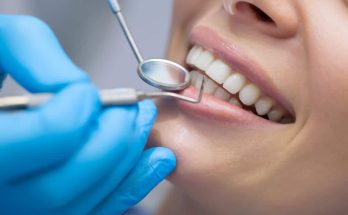
A periodontal assessment is not just a quick glance. It can include measuring the spaces between your teeth and gums, checking for bleeding, reviewing gum recession, looking at bone levels on X rays, and noting signs of infection or bite changes. Those details show whether your gums are stable or whether there is slow damage happening under the surface.
Skipping gum checks often leads to bigger treatment and bigger costs
It is easy to put off one more dental visit, especially if your mouth feels mostly normal. Life gets busy. Dental anxiety is real. Cost worries are real too. The hard part is that delaying a gum exam often increases both stress and cost later.
If inflammation is caught early, treatment may be as simple as improving home care and getting a professional cleaning. If disease progresses, care can involve deep cleaning below the gumline, more frequent maintenance visits, localized antibiotics, gum therapy, or surgery. When bone loss advances, replacing lost teeth may call for grafting, implants, or removable options that could have been avoided or delayed with earlier care.
The National Institute of Dental and Craniofacial Research explains that plaque buildup is the main cause of gum disease, though smoking, health conditions, medicines, and genetics can raise your risk. That means even people who try to do everything right at home can still need close monitoring. If your gums bleed when you brush, if you smoke, if you have diabetes, or if gum disease runs in your family, regular checks matter even more.
Daily brushing helps, but professional gum care shows what you cannot see
Home care is the base, not the whole structure. You can clean the visible surfaces of your teeth every day and still miss early changes under the gumline. A professional exam can detect pocket depth changes, attachment loss, and areas where tartar has hardened in places a toothbrush cannot reach.
That matters for implants too. Healthy gums and stable bone are part of a strong foundation. If you already have implants, routine assessments help detect inflammation around them before it threatens their support. If you are planning implants, a gum evaluation helps determine whether the surrounding tissues are healthy enough for predictable treatment.
MedlinePlus describes periodontal disease as an infection and inflammation of the tissues that surround and support the teeth. That support system is easy to take for granted until it starts to fail. Once it does, eating, speaking, smiling, and even feeling comfortable in your own mouth can change more than people expect.
Professional gum assessments compared with relying on symptoms alone
|
Approach |
What You Notice |
What Can Be Missed |
Likely Outcome |
|---|---|---|---|
|
Waiting for symptoms |
Bleeding, bad breath, soreness, loose teeth |
Early pockets, bone loss, recession, implant inflammation |
Later diagnosis and more involved treatment |
|
Regular gum assessments |
Professional measurements and imaging before pain starts |
Less likely to miss hidden progression |
Earlier care and better chance to protect teeth and bone |
|
Home care only |
Cleaner teeth and fresher mouth |
Tartar below gums, disease activity, tissue changes |
Helpful daily support, but not enough on its own for many patients |
Simple steps help you protect your gums now
Watch for small changes. Bleeding when brushing, gum tenderness, chronic bad breath, recession, or a tooth that feels different all deserve attention. Do not wait for pain. Gum disease often stays quiet until it has moved further along.
Schedule routine periodontal monitoring. If you have a history of gum disease, implants, smoking, diabetes, or frequent plaque buildup, ask for regular periodontal charting and maintenance. Regular periodontal checkups give your dental team a way to compare measurements over time instead of guessing based on symptoms.
Clean with purpose at home. Brush twice a day, floss or use interdental cleaners daily, and follow any gum care instructions you have been given. Good home habits support treatment, but they also make each gum assessment more meaningful because your provider can see what is changing beyond routine plaque buildup.
Healthy gums support every part of your dental care
When your gums are healthy, everything else in dentistry works better. Cleanings are simpler. Teeth stay more stable. Restorative work has a stronger foundation. Implant planning becomes clearer. The opposite is true too. Ignoring the gums can undermine even the best dental work.
If you have been putting off an exam because you are worried about what they might find, that feeling is common. Knowing earlier gives you more options, not fewer. A visit with a periodontist and implant dentist can show where things stand and what needs attention now, before a small problem grows into tooth loss or major treatment.
See more: 5 Preventive Strategies That Help Patients Avoid Tooth Decay
Take the next step and schedule a gum evaluation if you have not had one recently. Your gums do more work than most people realize, and keeping a close eye on them protects your smile for the long run.