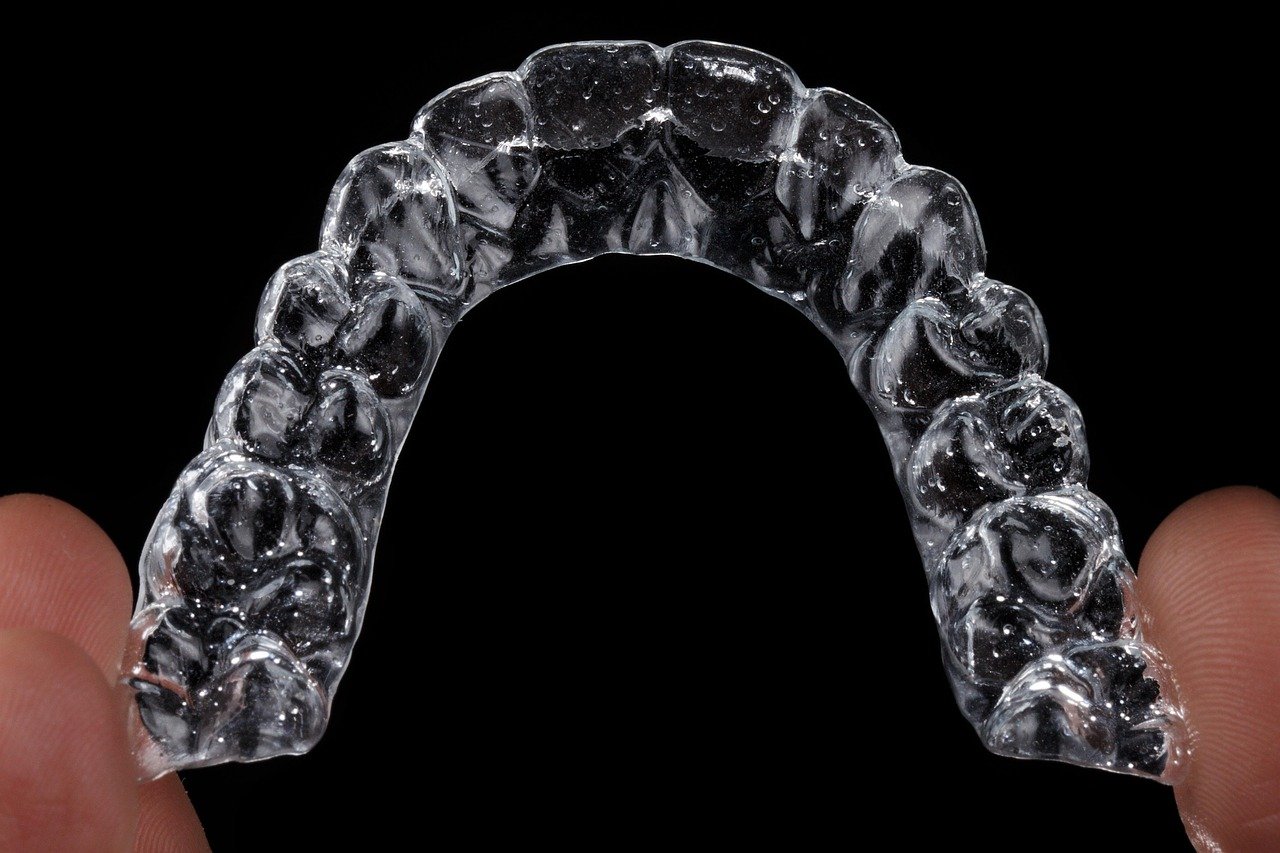
You finished orthodontic treatment, your teeth look the way you hoped they would, and the fixed retainer bonded behind them feels like the part you no longer need to think about, especially if you previously used clear aligners in Eastchester and Bronxville. That is usually when trouble starts. A permanent retainer seems low maintenance because you do not take it in and out, but it can loosen, trap plaque, bend slightly, or stop fitting the way it should without giving you a clear warning.
If you have one, you are not overthinking it by wondering whether it still needs checkups. It does. Why permanent dental retainers still require professional monitoring comes down to two simple facts. Teeth can keep moving, and the wire meant to hold them can create its own problems when no one is checking it. Regular follow up with an orthodontist helps protect the result you paid for and the oral health around it.
Permanent retainers can fail quietly while your teeth start shifting
A bonded retainer is designed to hold teeth in position after braces or aligners. It does that well, but it is not indestructible. The adhesive can weaken, one end of the wire can detach, or the wire can distort from normal chewing or habits like biting pens. You may not feel any of this right away. A small change in the wire can begin moving one tooth out of line before you notice anything in the mirror.
That is why fixed retainer monitoring matters. A retainer does not have to break completely to cause problems. One loose bond can turn the wire from a stabilizer into a source of unwanted force. You might think your teeth are “mostly fine” until floss starts catching in a new spot or one front tooth looks slightly rotated in photos. By then, the correction is often more involved than a quick repair.
Relapse after orthodontic treatment is common enough that retention is a long term issue, not a short phase. Harvard Health explains why retainers are often needed to prevent shifting teeth, even years after active treatment ends. The retainer is part of that plan, not the whole plan. It still needs professional eyes on it.
Oral hygiene around a permanent retainer gets harder, not easier
You may already know the daily hassle. Flossing around a bonded wire takes more time, and if you skip a few nights, buildup collects fast. The issue is not just cosmetic. Plaque and tartar around the lower front teeth can lead to gum irritation, bleeding, bad breath, and early bone loss if it continues unchecked.
This is one reason permanent retainer care should include more than brushing harder at home. The wire creates ledges where debris sits, especially if the bonding material is rough or the fit has changed over time. An area that feels clean with your tongue can still hold plaque at the gumline. Tufts highlights how often oral hygiene steps are overlooked, and retainers are a common place where that gap shows up.
Professional monitoring catches the signs you cannot easily see, including tartar behind the lower front teeth, decalcification near the bonding points, and gum inflammation that has not become painful yet. This is where patients get stuck. If it does not hurt, it is easy to assume it is fine. Gum disease does not always announce itself early.
Professional monitoring protects both alignment and long term dental health
An orthodontic check is not only about asking whether the wire is still attached. It is also about whether it is still doing the right job. Your bite changes with time. Dental work such as fillings or crowns can affect contacts between teeth. Grinding can place extra stress on the retainer. Even normal aging shifts the balance of the mouth.
Clinical research has also looked at the benefits and complications of fixed retention over time. This review in PubMed Central discusses how bonded retainers help maintain results but also require follow up because failures, hygiene concerns, and unwanted tooth movement can occur. That is the reality of long term retention. It works best when someone is checking both the appliance and the teeth around it.
|
Issue |
What you may notice at home |
What a professional can detect early |
|---|---|---|
|
Loose or broken bond |
Floss catches, wire feels sharp, sometimes nothing |
Partial detachment, stress on adjacent teeth, need for repair |
|
Minor tooth movement |
Subtle crowding or one tooth looks “off” in photos |
Early relapse before it becomes visible or harder to correct |
|
Plaque and tartar buildup |
Rough feeling, bad breath, bleeding when flossing |
Gum inflammation, calculus below the gumline, enamel changes |
|
Wire distortion |
Bite feels different, often no clear symptom |
Unwanted active force that may move teeth |
Simple steps help you stay ahead of retainer problems
Check the wire with purpose. Once a week, look closely in a mirror. See whether all bonding points are attached and whether the wire sits flat where it usually does. If floss no longer passes the same way, treat that as a sign, not an annoyance.
Clean around the retainer the right way. Use floss threaders, super floss, or tools your orthodontist recommends. Brush along the gumline and around each bonded tooth, not just across the front surfaces. If you keep getting buildup in the same area, ask for a hygiene technique review instead of guessing.
Keep scheduled orthodontic and dental visits. This is the step people postpone because life gets busy and the retainer feels permanent. Permanent only describes how it is attached. It does not mean it can be ignored. Regular visits make repairs smaller, less expensive, and less frustrating.
Long term retention works best when it is monitored
A bonded retainer is useful because it keeps teeth from drifting after treatment, but it is not self managing. It can loosen, collect plaque, and even move teeth the wrong way if no one catches the change early. Ongoing follow up with an orthodontist gives you the best chance of keeping your smile straight and your gums healthy for the long run.
Visit this website: Should You Accept the First Settlement Offer After a Car Accident in Katy, TX?
If your retainer feels different, looks loose, or you have not had it checked in a while, schedule a visit with an orthodontist and have it evaluated before a small issue turns into a bigger one.