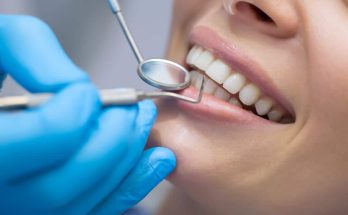
Strong teeth protect more than your smile. They protect how you eat, speak, and feel in public. You deserve care that stops problems before they start. General dentists use simple preventive treatments that block decay, support weak teeth, and keep gums steady. These steps are quick, low stress, and can spare you from pain, time off work, and high bills later. You may hear about whitening or veneers from a cosmetic dentist in Denton. First you need a healthy base. This blog explains six common treatments that guard teeth from daily wear, sugar, and plaque. You will see how each one works, who needs it, and what to expect in the chair. You can then talk with your dentist and choose what fits your mouth, your age, and your budget. Strong prevention gives you control and keeps small issues from turning into emergencies.
1. Professional cleanings
Home brushing and flossing help. Still they leave plaque in tight spots. A professional cleaning reaches what you miss.
During a cleaning the hygienist
- Removes plaque and hard tartar from teeth and gumlines
- Polishes teeth to slow new buildup
- Checks gums for bleeding and swelling
Cleanings lower your risk for cavities and gum disease. They also give the dentist a clear view of early trouble. The Centers for Disease Control and Prevention explains that untreated cavities and gum disease can affect eating, speaking, and school or work. Regular cleanings help avoid that.
Most people need a cleaning every six months. Some people with gum problems or medical conditions need them more often. Ask your dentist what timing fits your mouth.
2. Fluoride treatments
Fluoride is a natural mineral. It helps harden tooth enamel and makes it more resistant to acid from food and bacteria. That protection is important for both children and adults.
In the office, fluoride can come as
- Varnish painted on teeth
- Foam in trays that sit on teeth for a few minutes
- Gel or rinse used under supervision
You might feel a slight taste or stickiness for a short time. The process is painless and fast. Your dentist may suggest fluoride if you
- Have frequent cavities
- Wear braces
- Use dry mouth medicines
- Drink mostly bottled water
Fluoride treatments are common for children as their teeth grow. Adults with weak enamel or past dental work also gain protection.
3. Dental sealants
Back teeth have deep grooves where food and bacteria hide. Even careful brushing can miss these spots. Sealants cover those grooves with a thin protective coating.
The steps are simple
- The tooth surface is cleaned
- The surface is prepared so the sealant sticks
- The liquid sealant is painted on the chewing surface
- A light hardens it within seconds
Sealants are common for children when the first and second molars come in. Adults with deep grooves and no fillings in those teeth can also receive them.
Sealants can last several years. Your dentist checks them at each visit and repairs them if needed. This small step can prevent cavities that might later need fillings or crowns.
4. Routine exams and X-rays
Preventive care is not just cleaning. Regular exams and X-rays catch small changes before you feel pain.
During an exam the dentist
- Checks each tooth for soft spots or cracks
- Looks at gums, tongue, and cheeks
- Reviews your bite and jaw movement
Dental X-rays show what eyes cannot see. They reveal hidden decay between teeth, bone loss, infections, and problems under fillings or crowns. The National Institute of Dental and Craniofacial Research notes that early detection of tooth decay can prevent tooth loss and pain.
Modern X-rays use low radiation and strict safety steps. Your dentist adjusts how often you need them based on your age, cavity history, and risk level.
5. Custom mouthguards
Teeth face trauma during sports and at night. A custom mouthguard shields them from sudden hits or grinding.
There are three common types
- Stock guards bought at a store
- Boil and bite guards molded at home
- Custom guards made by your dentist
Custom mouthguards fit your teeth and gums. They feel more secure and allow easier breathing and speaking. They help
- Children and adults in contact sports
- People who grind or clench teeth during sleep
- Patients with many crowns or implants that need protection
Grinding can wear teeth down and crack fillings. A night guard spreads the force and reduces jaw strain. This protection can prevent future root canals and crowns.
6. Patient education and habit coaching
Information is a treatment. Clear guidance gives you power over your daily choices.
During visits your dental team can
- Show how to brush and floss more effectively
- Review snacks and drinks that raise cavity risk
- Explain how tobacco and vaping harm gums and bone
Small changes matter. You might learn to use a soft brush, switch to fluoride toothpaste, or cut down on frequent sipping of sweet drinks. Each change reduces acid attacks on your teeth. Education also helps children build steady habits that last.
Comparison of common preventive treatments
| Treatment | Main purpose | Best for | Typical frequency |
|---|---|---|---|
| Professional cleaning | Remove plaque and tartar | All ages | Every 6 to 12 months |
| Fluoride treatment | Strengthen enamel and prevent decay | Children and high risk adults | Every 3 to 12 months |
| Dental sealants | Protect deep grooves in back teeth | Children and some adults | Every few years as needed |
| Exam and X rays | Detect early decay and disease | All ages | Exam every 6 to 12 months. X-rays as advised |
| Custom mouthguard | Shield teeth from impact or grinding | Athletes and people who grind teeth | Nightly or during sports |
| Education and coaching | Improve daily home care | All ages | At each visit |
Taking your next step
You do not need to accept constant dental fear. These six treatments work together. They clean, strengthen, protect, and guide. They also cut down on surprise problems that disrupt school, work, and family time.
Use three simple steps
- Schedule a checkup and cleaning
- Ask which preventive options match your risks
- Follow through on home care, you can keep up every day
Consistent prevention keeps teeth strong and steady. It turns your dental visits into maintenance instead of crisis care. That shift protects your comfort, your budget, and your peace of mind.