In hospitals, the administration of medications is one of the most important functions nurses are required to carry out each day. It is, however, also a source of many serious mistakes. Over the past ten years, barcode scanning has become an essential tool in making medication administration safer, quicker, and more efficient. This technology doesn’t just save time; it saves lives.
Why Medication Safety Matters
Among the major concerns in a healthcare setting is medication error. Studies reveal that hundreds of thousands of patients per year experience injury due to medication. These can range from a wrong dose of medication to the outright administering of the wrong drug. Such errors might delay recovery, result in severe complications, or even be fatal. Barcode scanning systems address these risks head-on by automating the verification process at the time of medication administration.
How Barcode Scanning Works in Medication Administration
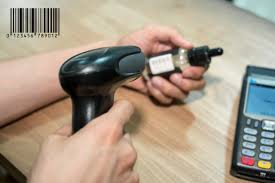
BCMA systems depend on two significant scans, one of the patient’s wristband barcode and the other of the medication barcode. With this double scanning process, one can verify five important factors, famously known as the “five rights” of medication administration:
- The right patient
- The right medication
- The right dose
- The right route
- The right time
When a nurse scans a patient’s wristband, the system pulls up that patient’s electronic medical record. Scanning the medication verifies it against the doctor’s order. If any information doesn’t match, say the medication is expired or not prescribed for that patient, the system immediately alerts the nurse to double-check before proceeding.
Real-World Impact and Benefits
Health facilities adopting BCMA report a significant reduction in medication errors. For example, studies have identified that scanning-based medication checks can reduce medication errors as high as 40% or more. In a study conducted across several wards in the hospital, compliance varied, but when fully utilized, scanning systems resulted in fewer harmful medication incidents and corrections before errors could reach patients.
Barcode scanning allows the nurse to stay on schedule and not experience delays. The technology hastens documentation because, through scanning, patient records are automatically updated, recording accurately when and what medication is given. This saves the nurses from doing prolonged manual charting, thus giving them more time for patient care.
Challenges and How to Overcome Them
Like any technology, BCMA systems do face their challenges. More common ones include unreadable barcodes, scanner availability, and resistance or workarounds by staff due to workflow pressures. Hospitals that invest in continuous staff training, regularly maintain scanning hardware, and adapt workflows to fit clinical realities see much higher success rates.
Advancing scanner technology helps, too. Ruggedized scanners designed to resist hospital disinfectants and built for handheld or mobile use make scanning more accessible and convenient. Improvements in lab management software and other applications, including integration with mobile devices and better barcode decoding, reduce scan failures.
Integrating Barcode Systems with Healthcare IT
BCMA systems cannot exist in a vacuum. Their success relies on seamless integration with hospital EMR systems, including Epic, Cerner, and others. This ensures that the data scanned is accurate, instantly verified, and documented in a secure manner that allows for seamless communication between teams in the pharmacy, nursing, and administration.
read more : https://seagreen-louse-169149.hostingersite.com/
Looking Ahead: The Future of Medication Safety
The world of barcode scanning is rapidly developing. Innovations yet to come include enhanced AI scanning, which can catch every detail and potential issue in an instant; remote monitoring capability; and deeper integrations with digital health platforms, such as Telehealth and IoMT devices. Hospitals that adopt and optimize barcode scanning for medication administration foster a safer, more efficient care environment. When every patient gets the right medication at the right time, and every nurse can verify that with a simple scan, the foundation for safer healthcare grows stronger. By implementing barcode scanning solutions like Code’s, healthcare organizations can significantly enhance medication safety, create better workflows, and ultimately save more lives. To learn more about how Code’s innovative healthcare barcode scanners and printing solutions can help transform medication administration, check out their healthcare page.