Key Takeaways
- Implementing EV charging stations can attract eco-conscious customers and employees.
- Various charging solutions cater to different business needs, from Level 2 chargers to ultrafast DC chargers.
- Incorporating renewable energy sources can enhance sustainability and reduce operational costs.
- Government incentives and partnerships can offset installation expenses.
Table of Contents
- Introduction
- Benefits of EV Charging Stations for Businesses
- Types of EV Charging Solutions
- Integrating Renewable Energy
- Government Incentives and Partnerships
- Case Studies
- Conclusion
Introduction
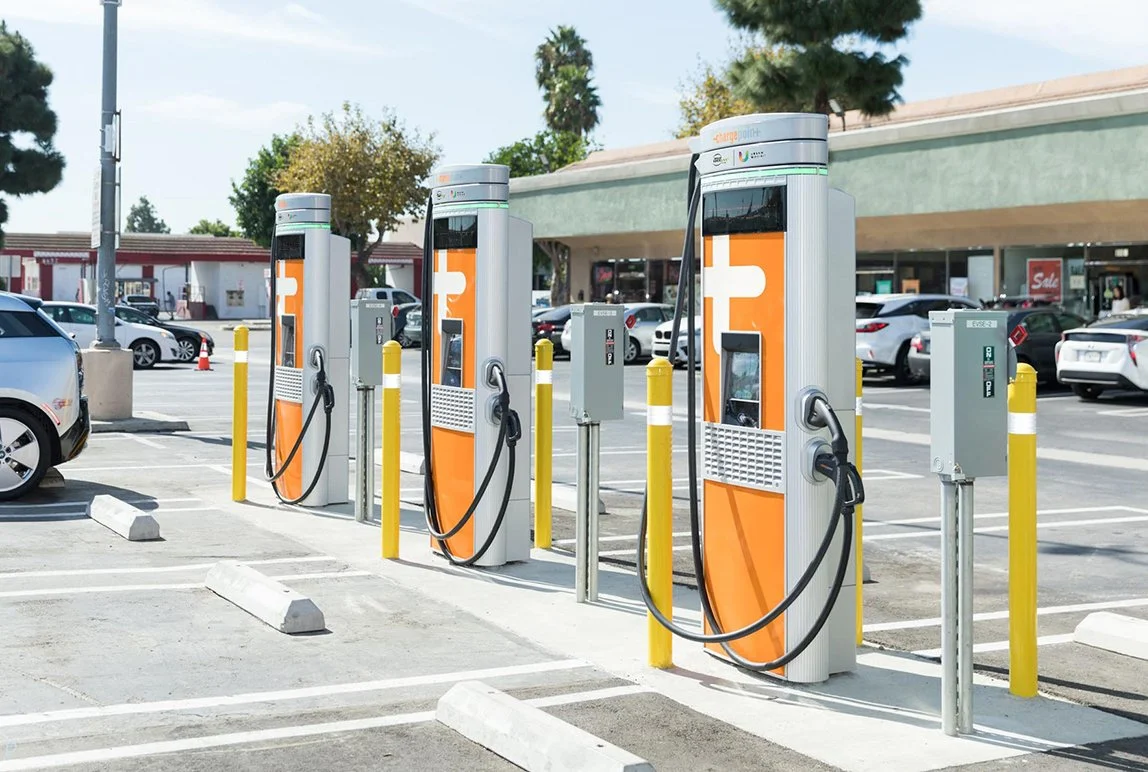
Rising adoption of electric vehicles (EVs) presents new opportunities for forward-thinking businesses. Companies that invest in commercial EV charging solutions position themselves at the forefront of sustainability, appealing to environmentally aware consumers and employees. These charging stations represent more than a utility; they are a symbol of a company’s commitment to innovation and community values. Providing EV charging stations on-site not only supports green initiatives but also enhances employee satisfaction and customer loyalty. As the demand for reliable EV charging grows, businesses that offer convenient access to these services set themselves apart from competitors while contributing to broader efforts to reduce carbon emissions and promote cleaner transportation alternatives. EV infrastructure transforms workplaces, retail spaces, and hospitality venues. It signals forward thinking and helps encourage a culture shift toward clean energy. Making these investments now allows companies to meet the practical needs of EV drivers today while preparing for the future as regulations and demand evolve. For businesses considering this transition, a growing array of public and private support options exists to ease the initial investment and implementation process. As more customers expect to charge their vehicles where they shop, work, or stay, businesses lose a critical advantage by delaying.
EV charging stations can deliver a noticeable return on investment, with both immediate and long-term advantages:
- Enhanced brand image: Aligning with sustainable practices elevates a company’s reputation and trust.
- Customer attraction and loyalty: EV drivers are likely to patronize businesses where charging is easy. This can increase foot traffic and dwell time, especially in retail and hospitality settings.
- Employee satisfaction: Offering clean commuting options demonstrates commitment to staff wellbeing and can help attract and retain top talent.
- Additional revenue streams: Monetizing charging services or incentivizing longer stays in retail environments can provide new income opportunities.
Types of EV Charging Solutions
Selecting the right EV charging solution depends on the business type, location, and the needs of clients or staff. The three main options are:
- Level 2 Chargers: These stations are well-suited to workplaces, commercial office buildings, hotels, and shopping centers where vehicles spend several hours parked. They offer a balanced solution between installation cost and charging speed.
- DC Fast Chargers: With faster charge times, these are ideal for locations such as highway rest stops, fleets, or city areas where time efficiency is important to drivers.
- Ultrafast DC V2X Chargers: Capable of delivering up to 600kW, these systems serve heavy-duty vehicles and specialized commercial needs. They are increasingly important for logistics, transit depots, and large-scale charging hubs. Learn more about ultrafast DC V2X chargers.
Integrating Renewable Energy
Combining renewable energy sources with EV charging infrastructure amplifies both economic and environmental benefits. On-site solar panels, battery storage, and modern energy management systems can:
- Lower electricity costs by using solar power or other renewables to offset grid energy consumption.
- Decrease reliance on non-renewable energy and meet corporate sustainability goals more effectively.
- Bolster energy resilience, providing backup power during outages and lessening peak demand charges.
These strategies contribute to a cleaner grid and can improve a business’s standing with customers who value corporate responsibility.
read more : Optimizing Modern Freight Dispatch for Efficiency and Profitability
Government Incentives and Partnerships
The initial cost of installing EV charging solutions can be offset significantly through government programs and collaborative partnerships:
- Federal Tax Credits: The federal EV charger tax credit can cover up to 30% of installation costs, capped at $1,000 for individual users. Businesses should verify eligibility and application requirements to maximize savings.
- Local Grants: State and municipal grants or rebates further reduce financial barriers, encouraging faster adoption of EV infrastructure.
- Partnerships: Collaborating with EV charging network providers and industry experts enables cost sharing and streamlines deployment, especially for multi-site or fleet operations.
Case Studies
Several leading organizations have moved quickly to incorporate EV charging stations, reaping benefits across multiple business objectives:
- Terawatt Infrastructure: Deployed a heavy-duty charging site on I-10 in Rialto, California, with 18 pull-through stalls and 55 bobtail parking spots. The facility is open 24 hours a day and is designed to meet growing freight electrification demands. Read about Terawatt Infrastructure’s charging site.
- EVPassport and CBRE Partnership: Rolled out more than 3,600 EV chargers at over 600 locations, emphasizing multifamily and hospitality properties to meet the surge in tenant and guest EV needs.
Conclusion
Deploying EV charging solutions allows businesses to capture new markets, achieve sustainability goals, and access new revenue streams. With strategic planning, integration of renewable energy, and careful use of available incentives and partnerships, companies can add long-term value, drive environmental progress, and future-proof their operations as electric transportation becomes the standard. Expanding charging infrastructure also improves customer convenience and increases dwell time at commercial locations such as retail centers, workplaces, and fleet depots. As EV adoption continues to grow, businesses that invest early can strengthen their brand reputation and position themselves as leaders in sustainability. Additionally, smart charging systems and energy management technologies help optimize electricity usage, reduce peak demand costs, and improve overall system efficiency. While initial installation costs and infrastructure planning can be significant, the long-term operational savings and revenue potential make EV charging a strategic investment for forward-thinking organizations.