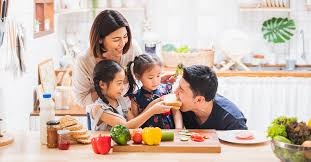
Helping kids understand the importance of healthy living can influence their habits for life. Health education doesn’t have to feel boring or overwhelming for children. With a little creativity, parents and caregivers can use fun and playful methods to teach essential lessons. Cooking meals together or playing interactive games are simple ways to make learning feel like play. These moments turn everyday routines into powerful learning experiences. The key is to build an environment where health feels natural and enjoyable.
Healthy living goes beyond just food and exercise. It also includes caring for mental health, practicing good hygiene, and learning emotional awareness. When children are actively engaged in learning, they tend to remember what they’re taught and apply it in their lives. Whether it happens at home, in the classroom, or at a pediatrician visit, consistent messages make a strong impact. Repeating small, healthy habits can lead to big changes over time. A steady, positive approach encourages children to grow up with wellness as a way of life.
Using Play to Teach Nutrition Basics
Kids are naturally curious, and play-based learning is a powerful way to teach them about healthy foods. Pretend food sets, puzzles, and storybooks can introduce fruits, vegetables, and grains in fun and creative ways. When children make their own plates with toy foods, they begin to understand what balanced meals look like. These playful moments keep them interested and engaged in learning about nutrition. Pretending to shop or cook also helps kids recognize healthy food choices during everyday activities. By turning learning into play, healthy habits become a natural part of their routine.
Cooking simple meals together is another opportunity to teach important lessons. Kids can help wash vegetables, mix ingredients, or count food items, learning about nutrition while developing practical skills. These shared moments in the kitchen build curiosity, independence, and confidence. A baby doctor might recommend cooking together as a way to promote healthy eating and strengthen family bonds. Involving kids in food preparation can make them more open to trying new, nourishing meals. Over time, these small experiences shape lasting attitudes toward healthy living.
Making Movement a Daily Adventure
Movement should feel enjoyable rather than something forced. Parents can encourage outdoor play, dancing, or simple games instead of labeling it as exercise. These playful activities help build strength, improve coordination, and support heart health. Kids who move often tend to have more energy and stay focused throughout the day. Turning movement into play makes it easier for children to develop lasting healthy habits. It becomes something they look forward to, not something they have to do.
Even when staying indoors, there are plenty of fun ways to keep kids active. Yoga videos, homemade obstacle courses, and imaginative games can turn any room into an adventure zone. Parents can plan creative play sessions that engage both the body and mind. A children’s doctor might suggest making physical play a daily part of life to support overall development and better sleep. Consistent movement helps children feel strong, happy, and confident. When kids enjoy how they move, they’re more likely to keep moving as they grow.
Storytelling for Emotional Wellness
Stories, characters, and puppets are great tools to help children understand and manage their emotions. When kids see a character feel happy, scared, or angry, it becomes easier for them to express their own feelings. Story-based learning is effective because it feels safe, fun, and familiar. Including calming actions or positive behaviors in these stories helps children develop good habits early on. Families also benefit by sharing these stories together, creating stronger emotional connections. These moments support learning while building trust and bonding.
Children often mimic what they see and hear, making storytime a powerful teaching moment. Adding breathing exercises or simple affirmations to these activities strengthens emotional skills. These gentle techniques help children accept and manage all kinds of feelings in healthy ways. A pediatrician near me explained how learning emotional tools early builds resilience and confidence as kids grow. Storytelling becomes more than entertainment, it becomes a pathway to lifelong emotional wellness. With the right stories, children learn how to feel, cope, and thrive.
Turning Hygiene into a Game
Teaching hygiene habits like brushing teeth or washing hands can be both fun and educational for young children. Creating songs or silly dances during routines makes these moments more engaging and easier to remember. Parents can turn healthy habits into games using animal-shaped timers or sticker charts as rewards. These playful tools help children feel proud when they accomplish tasks by themselves. When hygiene is presented in a fun way, kids are more likely to participate without resistance. Turning daily routines into enjoyable activities builds a positive attitude toward cleanliness.
Toys and pretend play also make hygiene lessons more memorable and approachable. Bathing a stuffed animal or brushing a doll’s teeth gives kids the chance to practice without pressure. Pretend play that lets children act as the teacher boosts their sense of responsibility and builds understanding. In many cases, a doctor can help families decide when to introduce these habits to their children. With professional guidance and fun learning tools, routines become smoother for everyone involved. When kids enjoy the process, learning becomes natural and more effective.
Final Thoughts
Teaching kids about healthy living can be simple and fun. When routines are filled with creativity, care, and play, they turn into meaningful learning moments. Activities like dancing, cooking meals together, or reading stories about emotions can shape healthy habits. These shared experiences not only teach wellness but also bring families closer. A calm and positive attitude makes the journey more enjoyable and effective. It’s the small, consistent steps that make the biggest impact over time.
Healthy living is a team effort, and everyone in a child’s life plays a role. Whether it’s a parent, teacher, or healthcare provider, every message matters. When kids see health as something personal and fun, they naturally want to take part. Turning wellness into something playful helps build positive associations early on. The goal is to make healthy choices feel like a natural part of daily life. With encouragement and joy, children are more likely to grow up happy and strong.
also read: How to Negotiate the Best Price on a Home