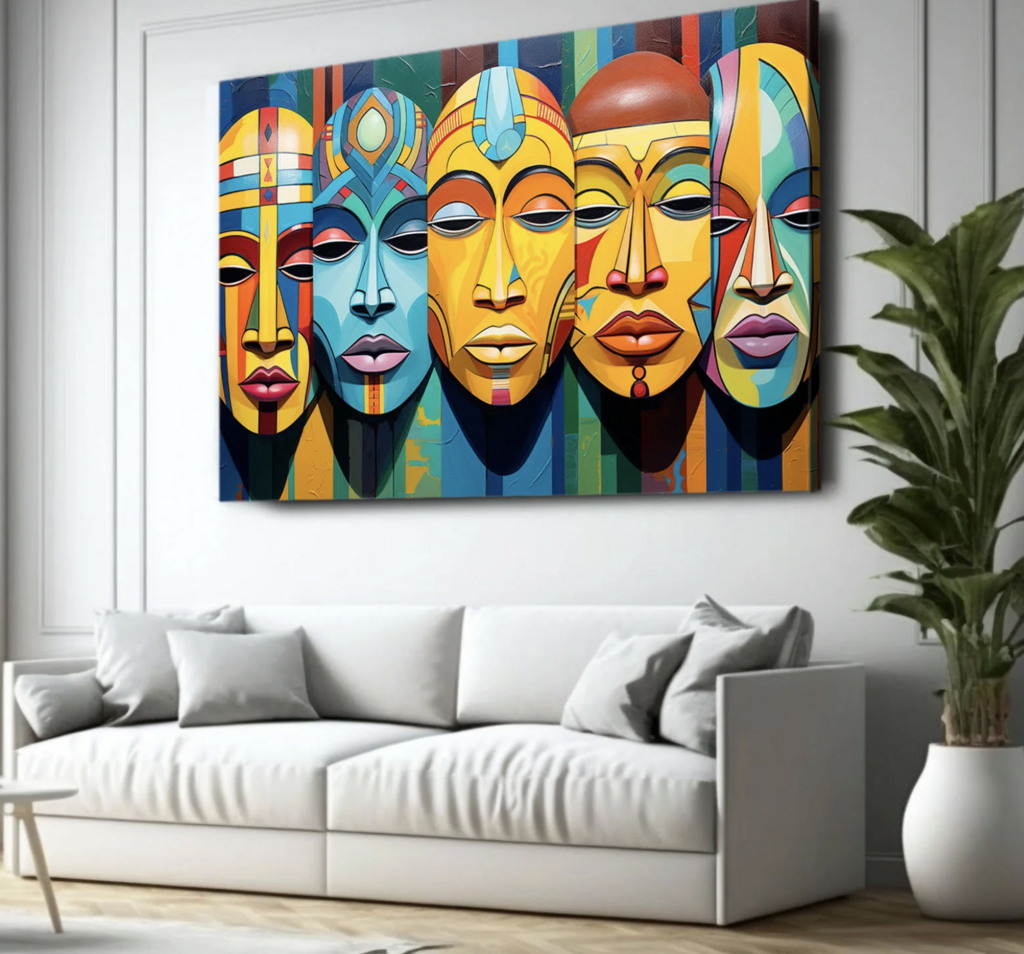
Choosing the right art for a home is not only about personal taste. It is also about understanding how each room functions and what kind of atmosphere it should create. A piece that feels perfect in a dining room may feel too intense for a bedroom, while artwork that works beautifully in a hallway may not have enough presence for a large living room. When art is chosen with the room in mind, the entire home feels more balanced, more intentional, and far more refined.
For modern homeowners, wall art has become one of the most important tools in interior design. It adds personality, helps define the mood of a space, and often becomes the detail that gives a room its identity. Exploring thoughtfully curated pieces from this art brand is a strong way to find artwork that suits different rooms while still keeping a cohesive style throughout the home.
Living Room: Choose Art That Creates Presence
The living room is often the social center of the home, so the artwork here should usually have a strong visual presence. This is the room where guests gather, conversations happen, and first impressions are formed. Art in a living room often works best when it feels confident, expressive, or striking enough to anchor the space.
Large canvas prints are particularly effective here, especially above the sofa or on the main feature wall. Abstract works, bold contemporary pieces, and statement imagery tend to perform well because they give the room a focal point. If the rest of the décor is relatively neutral, the artwork can introduce contrast, movement, or depth without making the room feel cluttered.
The living room is often the place where homeowners can be a little more daring with their choices, as long as the piece still feels connected to the furniture and palette around it.
read more : https://aio-technical.com/
Bedroom: Prioritize Calm and Balance
A bedroom should feel restful, personal, and visually soft. The art in this space does not need to disappear, but it should support a calmer atmosphere than what might work in a living room or entryway. Pieces with soothing tones, balanced compositions, and a sense of harmony are usually the strongest choice.
This could include abstract art in muted shades, nature-inspired prints, or symbolic artwork that feels peaceful rather than dramatic. Above the bed, one large piece can create a clean and elegant effect, while a pair of coordinated works can also add balance.
In bedrooms, artwork should contribute to comfort. Very aggressive color contrasts or overly busy compositions can sometimes disrupt the feeling of rest that the room should provide. The best bedroom art feels intentional, but never overwhelming.
Dining Room: Add Character and Conversation
The dining room offers an opportunity to choose art with a little more personality. Because it is a place where people gather, eat, and spend time together, the artwork can help make the room feel warmer and more memorable. It can also introduce a stronger sense of style, especially if the furniture is simple.
Bold compositions, cultural themes, or elegant statement pieces often work beautifully in dining spaces. Artwork with history, symbolism, or expressive detail can be especially effective because it gives the room more depth. Distinctive cultural wall artwork can be a strong option for homeowners who want the dining area to feel sophisticated, layered, and full of character.
The dining room is a good place to choose art that sparks interest without making the space feel too formal or too cold.
Entryway: Make a Strong First Impression
The entryway sets the tone for the rest of the home, so the art here should feel intentional. Even if the space is small, one well-placed piece can make it feel finished and inviting. Since this is the first area people see, it is worth choosing something that reflects the overall style of the house.
Vertical pieces often work well in entryways because they suit narrower walls, while a single statement canvas above a console table can instantly make the area feel more polished. Art in this space should be visually clear and confident. It should welcome people in while hinting at the design language they will see throughout the home.
An entryway does not need many decorative elements if the artwork has enough presence to carry the space.
Home Office: Choose Art That Inspires Focus
In a home office, the right art can influence the way the room feels to work in. It should support concentration while still bringing some personality into the space. Depending on the homeowner’s taste, this may mean abstract art with structure, graphic compositions, symbolic works, or themes that feel motivating.
The key is to choose something that adds interest without becoming distracting. Very chaotic or visually noisy pieces may not suit a workspace as well as art that feels composed and purposeful. A home office can also benefit from artwork that reflects ambition, creativity, or personal meaning, especially if the room is used daily.
When the art suits the purpose of the room, the office feels less functional and more thoughtfully designed.
Hallways and Transitional Spaces: Create Flow
Hallways, landings, and smaller transitional areas are often overlooked, yet they offer excellent opportunities for art. These spaces help connect the home visually, so the artwork should contribute to a sense of continuity. A series of related prints, a small gallery wall, or a row of balanced pieces can work especially well here.
Because hallways are usually seen in motion, the art should feel easy to read and well-spaced. It should add rhythm without overcrowding the wall. In these areas, consistency matters more than drama. The goal is to guide the eye and make the home feel complete from one room to the next.
Conclusion
Choosing the right art becomes much easier when each room is approached according to its purpose. Living rooms benefit from presence, bedrooms need calm, dining rooms welcome character, entryways require impact, and home offices work best with art that supports focus. Hallways and transitional spaces then help tie everything together.
When art is selected room by room rather than all at once, the result feels more natural and more refined. Each piece has a role, and the home as a whole becomes more cohesive, expressive, and memorable. That is what makes thoughtful wall art such an essential part of modern interior design.