
Buying a car today is not just about transportation. It is a major financial decision and, for many owners, an emotional one as well. With vehicle prices rising steadily and factory paint becoming thinner and more delicate, protecting your car’s exterior has become more important than ever.
This is where Paint Protection Film, commonly known as PPF, comes into the picture. Once considered an option only for luxury cars, PPF has now become a practical choice for everyday car owners who want to maintain their vehicle’s appearance, value, and originality over the long term.
In this blog, we will break down exactly why you should choose Paint Protection Film for your car, how it works, what benefits it offers, and whether it truly justifies the investment in today’s driving conditions.
Table of Contents
- What is Paint Protection Film (PPF)
- Why car paint needs protection today
- Key benefits of choosing PPF for your car
- PPF vs ceramic coating explained clearly
- How PPF helps maintain resale value
- Understanding PPF cost and long term value
- What affects PPF coating price in India
- Is PPF suitable for all car types and colors
- When should you install PPF on a new car
- Is Paint Protection Film worth it
- Frequently asked questions
- What is Paint Protection Film (PPF)
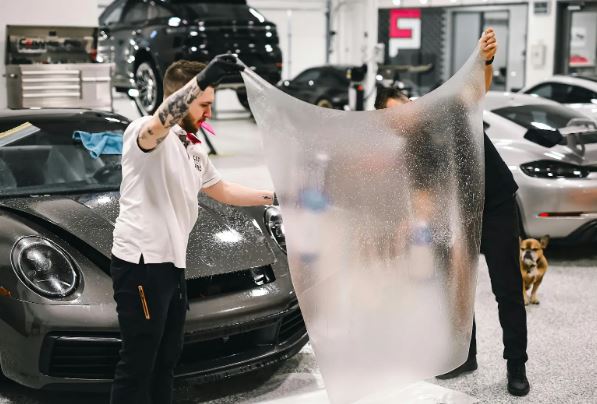
Paint Protection Film is a transparent, durable polyurethane film applied on a car’s painted surfaces to protect it from physical damage. It acts as a sacrificial layer that absorbs impact and prevents scratches, stone chips, swirl marks, and minor abrasions from reaching the original paint.
Modern PPFs are engineered with advanced features such as self-healing technology, UV resistance, and high optical clarity. Minor scratches on the film can disappear automatically when exposed to heat from sunlight or warm water, keeping the surface looking clean and glossy.
Once installed correctly, PPF is nearly invisible and does not alter the original color or finish of the car.
- Why car paint needs protection today
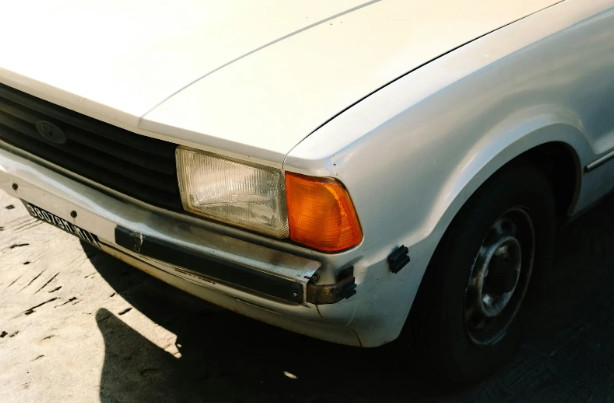
Car paint quality has changed significantly over the years. Manufacturers now use eco-friendly, water-based paints and thinner clear coat layers to meet environmental regulations. While this is good for sustainability, it also means paint is more prone to damage.
Indian road conditions further increase the risk. Loose gravel, sand, construction debris, careless parking, tight traffic, and unpredictable weather all take a toll on exposed paint surfaces. Even careful drivers cannot avoid stone chips on highways or scratches in parking areas.
Repairing paint damage has also become expensive. A single panel repaint can cost a significant amount and still fail to match factory finish perfectly. Paint Protection Film addresses this problem by preventing damage instead of fixing it later.
- Key benefits of choosing PPF for your car
The biggest reason to choose PPF is protection. It shields the paint from everyday hazards that slowly reduce a car’s visual appeal.
PPF protects against stone chips, minor scratches, swirl marks from washing, bird droppings, tree sap, and UV-induced fading. Over time, this protection keeps the paint looking newer compared to unprotected cars.
Another major benefit is stress-free ownership. Owners with PPF worry less about tight parking spaces or regular washing because the film absorbs most surface-level damage.
PPF also helps maintain the original paint, which is something used car buyers value highly. A vehicle with untouched factory paint always commands better resale value than one with multiple repainted panels.
- PPF vs ceramic coating explained clearly
Many car owners confuse Paint Protection Film with ceramic coating, but they serve different purposes.
Ceramic coating is a liquid polymer that bonds with paint to enhance gloss, water repellency, and ease of cleaning. It offers chemical resistance but very limited protection against physical damage.
PPF, on the other hand, is designed to handle physical impact. It absorbs scratches and stone hits that would otherwise damage the paint.
In many cases, the best approach is to combine both. PPF is applied on high-impact areas such as bumper, bonnet, mirrors, and fenders, while ceramic coating is applied on top of the PPF or on remaining panels to enhance shine and ease maintenance.
- How PPF helps maintain resale value
Resale value is one of the strongest arguments in favor of PPF. Buyers often inspect paint condition closely, looking for signs of repainting, uneven texture, or color mismatch.
PPF preserves the original factory paint underneath, which means panels remain untouched even after years of use. When the film is removed properly, the paint often looks almost new.
For premium cars especially, original paint condition can make a noticeable difference in resale price. Even for mass-market vehicles, a clean exterior builds buyer confidence and speeds up resale.
- Understanding PPF cost and long term value
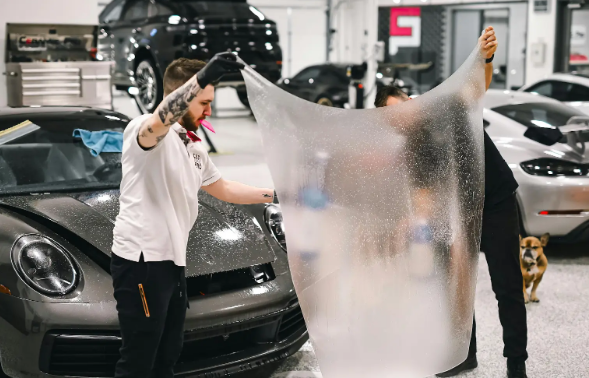
One of the most common concerns is PPF cost. At first glance, it can feel like a large expense compared to basic detailing services.
However, PPF should be evaluated as a long-term investment. A good quality film typically lasts between five to ten years depending on usage, maintenance, and environmental exposure.
When you compare this with repeated repainting, loss in resale value, and constant cosmetic touch-ups, PPF often proves to be more cost-effective over the ownership period.
Partial PPF coverage is also an option for owners who want protection without full investment. Covering high-impact areas alone can still deliver strong value.
- What affects PPF coating price in India
The PPF coating price varies based on several important factors.
Film quality is the biggest factor. Premium TPU-based films with self-healing, anti-yellowing, and UV protection cost more than basic or hybrid films.
Coverage area also affects pricing. Full car PPF will naturally cost more than partial coverage limited to bumper, bonnet, mirrors, and door edges.
Installation quality plays a critical role. Skilled installers use proper surface preparation, controlled environments, and precise cutting techniques. Poor installation can lead to peeling edges, trapped dust, and reduced lifespan.
Vehicle size, paint condition, and complexity of body panels also influence the final price.
- Is PPF suitable for all car types and colors
Yes, PPF is suitable for almost all cars, regardless of segment or color.
Dark colored cars benefit greatly because swirl marks, scratches, and water spots are more visible on darker paint. PPF helps maintain a clean, glossy finish for longer.
White and light colored cars also benefit from PPF because stone chips and deep scratches become highly noticeable once the base layer is exposed. The film prevents this damage from occurring in the first place.
From hatchbacks to luxury sedans and SUVs, PPF can be customized based on budget and usage.
- When should you install PPF on a new car
The best time to install PPF is as early as possible, ideally within the first few days of delivery. Fresh paint without scratches or swirl marks ensures the best bonding and visual finish.
Installing PPF later is still possible, but it may require paint correction beforehand, which adds to cost and effort.
Early installation means your car remains protected from day one, preserving its original condition throughout ownership.
- Is Paint Protection Film worth it
For most car owners today, Paint Protection Film is worth considering seriously.
If you plan to keep your car for several years, care about its appearance, or want to protect resale value, PPF offers benefits that go beyond aesthetics. It provides peace of mind, reduces maintenance stress, and protects one of the most expensive parts of your vehicle to repair.
The key lies in choosing the right film, the right installer, and the right level of coverage based on your needs.
Frequently Asked Questions
Is PPF safe for factory paint?
Yes, when installed and removed correctly, PPF does not damage factory paint.
How long does Paint Protection Film last?
Most premium films last five to ten years depending on usage and maintenance.
Can PPF be removed later?
Yes, PPF is removable and can be replaced without harming the paint if done professionally.
Does PPF turn yellow over time?
High-quality films are designed to resist yellowing, especially when maintained properly.
Is full car PPF necessary?
Not always. Partial coverage on high-impact areas can still provide excellent protection at a lower cost.


